






اتصل بنا
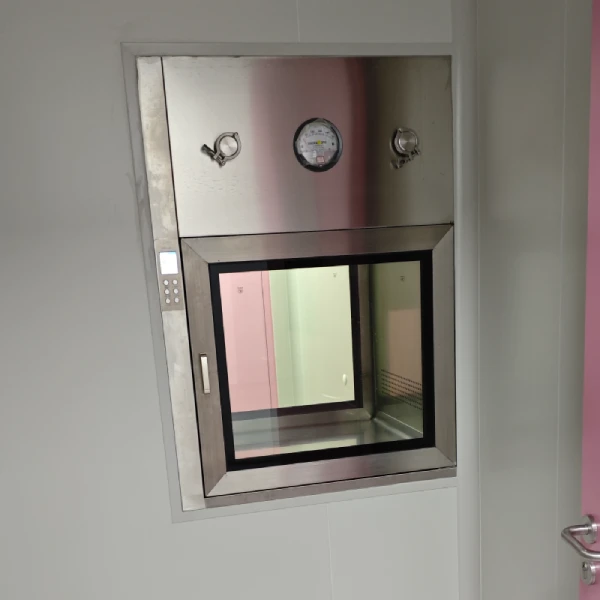
مربع مرور ديناميكي
نظرة عامة:
مقارنة مع صندوق مرور ثابت، لديه أبعاد خارجية أكبر لنفس الحجم الداخلي وتكلفة تصنيع أعلى. يتم تقسيم صناديق المرور الديناميكية إلى نوعين فرعيين: صندوق مرور التدفق الصفيفي ، الذي يوفر تدفق الهواء الصفيفي العمودي في الإمدادات العليا
الكلمات المفتاحية:
التفاصيل:
Dynamic Pass Box
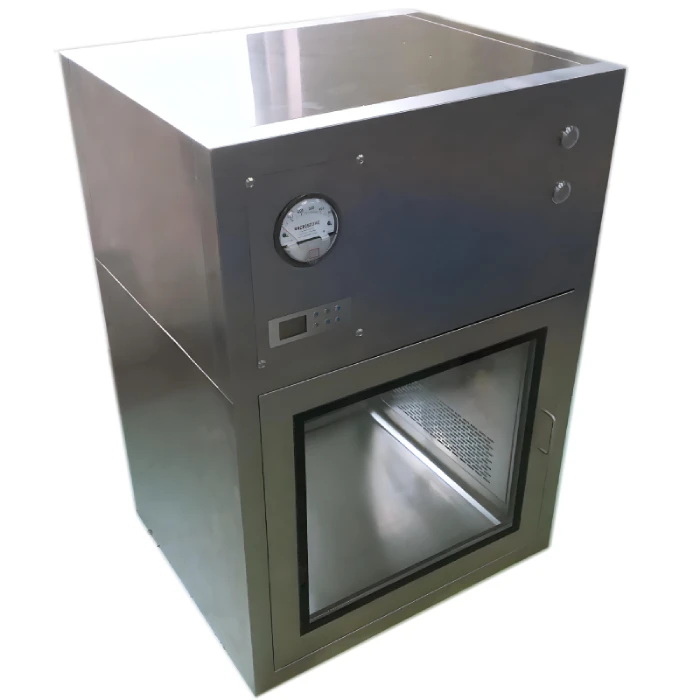
A dynamic pass box refers to a pass box in which the internal airflow is dynamic, featuring a self-circulating airflow pattern. Clean air is supplied into the chamber while contaminated air is expelled, maintaining cleanliness inside the pass box.
The dynamic pass box is equipped with a fan and a filter. The fan draws air in, and the filter purifies the air before blowing it into the pass box, pushing contaminated air out through the exhaust port, thus creating a continuous circulation.
Compared to a static pass box, the dynamic pass box includes an additional air filtration process and components that provide self-circulating airflow. Therefore, for the same internal dimensions, the external dimensions of a dynamic pass box are larger, and its manufacturing cost is higher than that of a static pass box.
Classification of Dynamic Pass Boxes
Dynamic pass boxes can be further divided into laminar flow pass boxes and air shower pass boxes.
Laminar Flow Pass Box
A laminar flow pass box provides vertical laminar airflow. From top to bottom, the pass box is sequentially equipped with a fan, a filter, and a flow straightener (perforated plate/flow homogenizing film). The internal airflow follows a top-supply, bottom-return pattern. The airflow velocity from the flow straightener meets laminar flow requirements.
Air Shower Pass Box
Unlike the laminar flow type, the air shower pass box is not equipped with a flow straightener. Instead, it features circular nozzles at the air outlet. During operation, clean air filtered by the HEPA filter is blown out from the nozzles at a velocity of no less than 25 m/s (typical value), dislodging dust particles from the surface of the items being transferred. The dislodged contaminants are then expelled through the air outlet or recirculated to the air intake, filtered again, and blown out through the nozzles. This cycle forms a micro self-circulating clean environment.
أسئلة متكررة
- 1 كيف تحسن الأقفال الإلكترونية التشغيل؟
- 2 ما هي طريقة التثبيت الأفضل للتطبيقات العقيمة؟
- 3 ما هي صيانة الختم المطلوبة؟
- 4 ما هو إجراء التطهير المناسب للمواد؟
- 5 هل هناك حاجة إلى أخذ عينات السطح لغرف المرور؟
- 6 كيف يجب تصنيف غرف المرور من أجل النظافة؟
- 7 كيف يعمل نظام قفل الباب؟
- 8 ما هو الغرض الرئيسي من غرفة المرور؟
1
كيف تحسن الأقفال الإلكترونية التشغيل؟
توفر الأقفال الإلكترونية تنبيهات صوتية / بصرية عند ترك الأبواب مفتوحة ، ومنع الأضرار العرضية من الافتتاح القسري ، وتمكين دمج BMS ، ودعم التحكم في الوصول مع تسجيل بيانات المستخدم.
2
ما هي طريقة التثبيت الأفضل للتطبيقات العقيمة؟
استخدم البناء من الفولاذ المقاوم للصدأ الملحوم بالكامل مع لحام التماس المستمر وزوايا نصف قطره ناعمة. وهذا يزيل الشقوق والشقوق التي يصعب تنظيفها حيث يمكن أن تتراكم الملوثات.
3
ما هي صيانة الختم المطلوبة؟
فحص طبقات EPDM أو السيليكون لضغط 250٪ عند إغلاق الباب. استبدل إذا كان متصلابًا أو متشققًا أو فقدان المرونة. تنظيف مع 70٪ الكحول. تجنب الكلور أو المنظفات الحمضية القوية التي تسبب التآكل.
4
ما هو إجراء التطهير المناسب للمواد؟
اتبع "تنظيف أولا، ثم تطهير" - إزالة التعبئة الخارجية، مسح مع 70٪ من الكحول الأيزوبروبيل أو 0.5٪ حمض الخليك، وضع مع المسافة بين العناصر، والتعرض للأشعة فوق البنفسجية لمدة 15 دقيقة على الأقل (30 دقيقة موصى بها).
5
هل هناك حاجة إلى أخذ عينات السطح لغرف المرور؟
نعم. تتطلب USP 797 أخذ عينات سطحية من جميع المناطق المصنفة بما في ذلك غرف المرور. يتطلب مزودي الخدمات المدنية من الفئة 1/2 أخذ عينات شهرية؛ تتطلب الفئة الثالثة أخذ عينات أسبوعية وأخذ عينات نهاية الدفعة.
6
كيف يجب تصنيف غرف المرور من أجل النظافة؟
تعيين تصنيف ISO للمساحة المتصلة الأنظف. على سبيل المثال، إذا كان المرور يربط ISO 8 إلى ISO 7، فصنفه على أنه ISO 7. تتبع أفضل الممارسات في الصناعة المعيار الأعلى للمجالين المتصلين.
7
كيف يعمل نظام قفل الباب؟
يسمح القفل المتداخل (الميكانيكي أو الإلكتروني) بفتح باب واحد فقط في وقت واحد. عندما يفتح أحد البابات ، يتم قفل الباب المقابل تلقائيًا ، مما يخلق قفل هوائي يمنع التلوث المتقاطع ويحافظ على اختلافات ضغط الغرفة.
8
ما هو الغرض الرئيسي من غرفة المرور؟
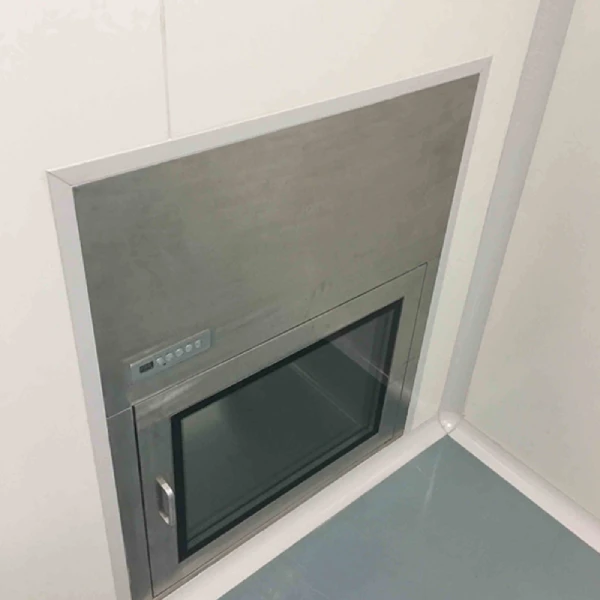
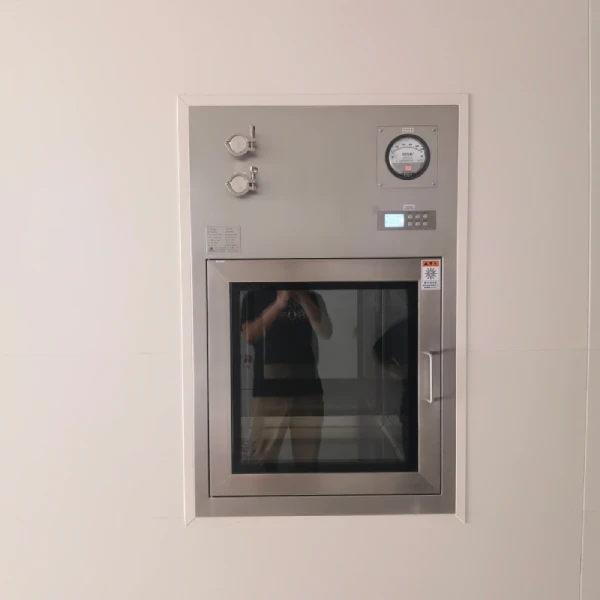
غرفة المرور هي غلاف مثبت في جدار غرفة نظيفة لتسهيل نقل المواد بين المناطق مع تقليل خطر التلوث. يقلل من حركة القدم ، ويحافظ على الضغط التفاضلي ، ويمنع تبادل الهواء غير المرشح من خلال الأبواب المتداخلة.